HipHop began as a local culture in New York City during the 1970s and grew into one of the most influential cultural movements in the world. Music, DJing, MCing, breaking, visual art and community all became part of a culture that continues to evolve across generations and continents.
The DJ-League connects this history with today’s global HipHop community through verified DJs, current news, music discovery and a worldwide network of local scenes.
Latest HipHop News
Stay connected with current HipHop culture through the latest news, releases, artists, DJ-relevant tracks and developments selected by the DJ-League.

DJ-League VIP HipHop DJs Worldwide
HipHop has always depended on DJs who discover music, create energy, connect records and bring different generations of the culture together.
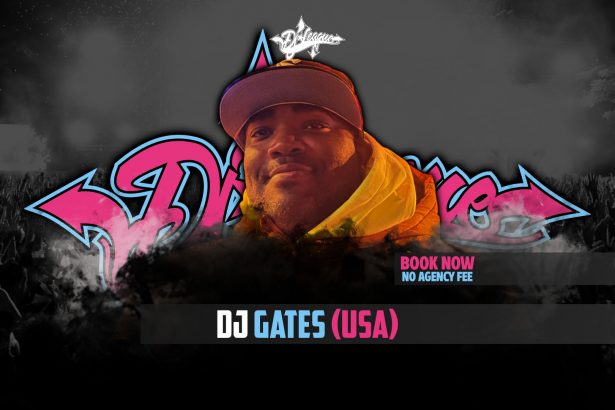
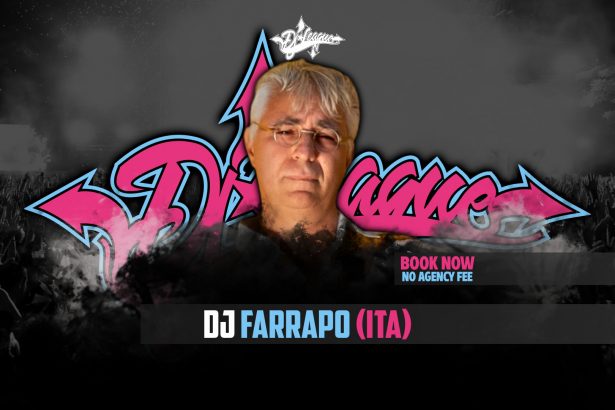
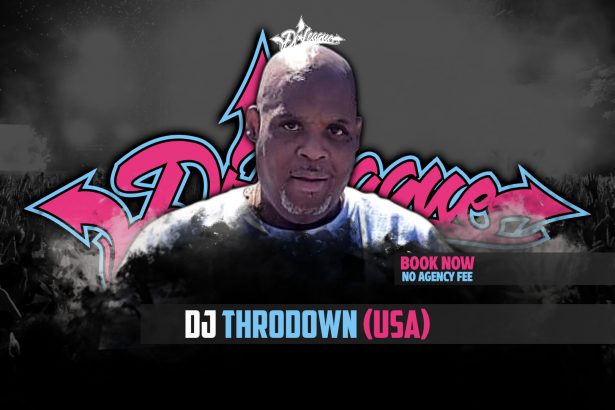
The DJ-League connects verified HipHop DJs from cities and scenes around the world. The VIP section gives additional visibility to members whose DJ-League profiles explicitly confirm HipHop as part of their musical identity.
What Is HipHop?
HipHop is both a culture and a musical movement. It developed in the Bronx in New York City during the 1970s and brought together several forms of creative expression.
Its classic cultural elements include DJing, MCing, breaking and graffiti.
Rap is therefore an important part of HipHop, but the two terms are not completely interchangeable. Rap describes the vocal and lyrical element, while HipHop represents the wider culture around the music, DJs, dancers, artists and communities.
From its earliest days, HipHop was built around creativity. Existing records were transformed into something new. DJs selected rhythmic sections, extended breaks and created the musical foundation for dancers and MCs.
That ability to reinterpret music became one of HipHop’s defining characteristics.
History of HipHop
From the Bronx to a New Culture
HipHop developed during the 1970s in the Bronx, New York City. Local block parties and community events created spaces where DJs could experiment with Funk, Soul, Disco and other records. Instead of simply playing complete songs, DJs began concentrating on the most energetic rhythmic sections. These breaks became particularly important for dancers and MCs. DJ Kool Herc is widely associated with the early development of this approach. Other pioneering DJs and crews expanded the techniques and helped turn a local party culture into a recognizable movement.
The Rise of Recorded HipHop
During the late 1970s and 1980s, HipHop moved beyond local parties. Recorded Rap music reached wider audiences. DJs, MCs, breaking crews and graffiti artists gained visibility far outside New York. At the same time, DJ techniques continued to evolve. Mixing, scratching and increasingly complex manipulation of records transformed the turntable from a playback device into a creative instrument.
New Cities, New Sounds
As HipHop expanded across the United States, different regions developed their own identities. New York remained a major center, while cities and regions on the West Coast created distinctive approaches to production, storytelling and DJ culture. The American South later became another major force. Different local scenes brought new rhythms, production styles, slang, artists and cultural perspectives into HipHop. This regional diversity became one of the genre’s greatest strengths.
HipHop Goes Global
Records, radio, television, touring, mixtapes and later the internet carried HipHop far beyond the United States. Local communities around the world began developing their own scenes. Artists and DJs combined the foundations of HipHop with local languages, musical traditions and cultural experiences. HipHop therefore became global without becoming identical everywhere. Every city and every generation could add something different.
The Sound of HipHop
There is no single HipHop sound. The music has continuously changed since the 1970s and includes many different production styles, tempos and regional influences.
However, rhythm remains fundamental. Drums, bass, breaks, loops, samples and the relationship between beat and MC have shaped generations of HipHop records.
Sampling became particularly important. Producers and DJs discovered fragments of Funk, Soul, Jazz and countless other recordings and transformed them into new musical contexts.
Technology changed the process. Turntables were joined by drum machines and samplers. Later, digital production tools created even more possibilities.
The equipment changed, but an important principle remained:
HipHop creates something new from creativity, selection and reinterpretation.
The Role of DJs in HipHop
DJing is not an addition to HipHop culture. It is one of its foundations.
Early DJs selected the records, identified the breaks and controlled the flow of the party. Their choices created the musical environment in which dancers and MCs could perform. As DJ techniques developed, mixing, scratching, cueing and later beat juggling added new creative possibilities. The DJ became both selector and performer. Recorded Rap music eventually placed more public attention on artists and MCs, but DJs continued to play an essential role throughout HipHop culture. Today, HipHop DJs remain active across many different environments:
- Clubs
- Events
- Radio
- Mixshows
- Mixtapes
- Artist performances
- DJ battles
- Turntablism
- Livestreams
- Online mixes
- Music discovery
Technology has changed dramatically, but the central task remains familiar. A strong HipHop DJ understands music, timing, selection, context and audience.
The DJ does not simply play records. The DJ connects them.
Styles & Movements
HipHop has developed many styles, movements and regional identities during more than five decades of cultural development. Some describe a particular era. Others describe a production style, regional movement or specific DJ culture. For the DJ-League, these distinctions are especially useful when they represent real musical specialization rather than simply the location where a DJ currently lives.
Oldschool HipHop
Oldschool HipHop connects directly with the early generations of HipHop culture. Breaks, classic Rap records, early production styles and traditional DJ techniques remain an important part of its identity. For many DJs, Oldschool HipHop also creates a bridge between generations by introducing classic records to new audiences.
East Coast HipHop
East Coast HipHop is closely connected with New York and other communities in the eastern United States. Over several generations, the region became associated with influential MCs, producers, DJs, labels and different approaches to lyricism and production. East Coast should be understood as a musical and cultural specialization rather than automatically being assigned according to a DJ’s current home address.
West Coast HipHop
West Coast HipHop developed its own influential scenes, particularly in California. Los Angeles and surrounding communities became central to several important periods of HipHop history. Different generations introduced their own production styles, artists and DJ traditions, including movements such as G-Funk. As with East Coast HipHop, a DJ-League specialization should only be assigned when it is explicitly confirmed.
Crunk / Dirty South
Southern HipHop became an increasingly powerful force during the 1990s and 2000s. Cities including Atlanta helped create new sounds, production approaches and club cultures that eventually influenced HipHop worldwide. Crunk and Dirty South represent parts of this broader history and remain relevant to specific DJ styles and audiences.
HipHop Around the World
From New York City HipHop spread to Africa, Asia, South America and Oceania. Each region developed differently.
North America
The United States remains the birthplace and one of the central markets of HipHop culture. New York City, Los Angeles, Atlanta and many other cities have created influential artists, DJs, producers, labels and local movements. Canada and the Caribbean have also developed important scenes and cultural connections.
Europe
HipHop has been part of European music culture for decades. The United Kingdom, France, Germany, the Netherlands, Spain, Italy, Scandinavia, the Balkans and many other markets developed local Rap, DJ and club cultures. Different languages and local identities helped create scenes that are connected to HipHop without simply copying the United States.
Africa
HipHop scenes across Africa reflect an enormous variety of cultures, languages and musical influences. West Africa, East Africa, North Africa and Southern Africa all contain distinct scenes rather than one single African HipHop identity. Local DJs and artists continue connecting international HipHop with regional music and culture.
Asia
HipHop has developed established communities in countries including Japan and South Korea and continues to grow across many other parts of Asia. Local artists, clubs and DJs have built scenes with their own identities while remaining connected to global HipHop culture.
South America
South American cities have created strong local HipHop communities shaped by language, social context and regional music. Major urban centers across Brazil, Colombia, Chile and other countries form part of an increasingly connected international culture.
Oceania
Australia has developed its own HipHop and DJ communities, while the wider Oceania region adds another perspective to the global development of the culture.
HipHop today is therefore both local and international. Its history connects the culture. Its communities keep changing it.
Discover HipHop Worldwide
The DJ-League connects HipHop discovery with geography. Instead of presenting DJs as isolated profiles, the network allows visitors to move through real places and communities.
The structure connects:
World → Continent → World Region → Country → Scene Zone → Region → Local Cluster → City → DJ
This makes it possible to discover HipHop not only through individual DJs, but also through the places and communities surrounding them. As the DJ-League network grows, new countries, regions, clusters and city pages can be added to this structure without turning the HipHop Hub itself into an oversized directory. The complete worldwide geographic network can be accessed through the Explore section in the right column.
Related DJ-League Topics
HipHop connects naturally with several other areas of the DJ-League network. Visitors can continue exploring DJ profiles, related genres, artists, mixes, radio shows and global communities through the dedicated discovery links in the right column. This keeps the HipHop Hub focused on its central topic while still connecting it strongly with the wider DJ-League ecosystem.
HipHop DJ Culture Today
HipHop DJ culture now exists in both physical and digital spaces.
Clubs, events, radio, mixtapes, DJ battles and artist performances remain important. At the same time, online mixes, streaming platforms, video and social media have created new ways for DJs to reach listeners around the world.
The equipment has changed as well. Vinyl, turntables, media players, controllers and DJ software can all be part of modern HipHop DJing.
But technology alone does not define the DJ.
Selection still matters.
Timing still matters.
Knowledge still matters.
Understanding the music and knowing how to connect records, eras and audiences remains at the heart of HipHop DJ culture.
That is also where the DJ-League fits into the story: connecting real DJs, real places and real music communities through one worldwide network.
Frequently Asked Questions
HipHop is a cultural and musical movement that developed in the Bronx in New York City during the 1970s. Its classic elements include DJing, MCing, breaking and graffiti.
HipHop originated in the Bronx, New York City. Community parties and local DJs played an important role in developing the culture during the 1970s.
No. Rap or MCing is an important element of HipHop. HipHop describes the wider culture that also includes DJing, breaking, graffiti and other forms of creative expression.
DJs helped create the musical foundations of HipHop. Early DJs selected records, extended breaks and developed techniques that created the environment for dancers and MCs.
HipHop contains many regional, historical and musical styles. Important DJ-League-related areas include Oldschool HipHop, East Coast HipHop, West Coast HipHop and Crunk / Dirty South.
Yes. HipHop developed from a local New York culture into a worldwide movement with scenes across North America, Europe, Africa, Asia, South America and Oceania.
DJ-League connects verified DJ profiles with a geographic network of continents, countries, regions, clusters and cities. Visitors can therefore discover DJs either through their musical specialization or through their location.
Yes. DJs whose public work demonstrates a genuine connection to HipHop, R&B, Oldschool and/or Dancehall can apply for DJ-League membership.
Explore HipHop
└ HipHop News
└ DJ-League HIPHOP DJS
└ DJ-League HipHop Artists
└ DJ-League Oldschool DJS
└ HipHop & R&B Culture
Explore Worldwide
└ Explore DJ-League worldwide
└ DJ-League North America
└ DJ-League Europe
└ DJ-League Africa
└ DJ-League Asia
└ DJ-League South America
└ DJ-League Oceania
Listen & Discover
└ DJ-League “The Show”
└ DJ-League Radio Stations
└ Urban Nation DJ-MixShow
Join the DJ-League
└ Join The DJ-League As DJ
└ Join the DJ-league As Artist
└ Join The DJ-League As Radio
└ DJ-League Track Promotion