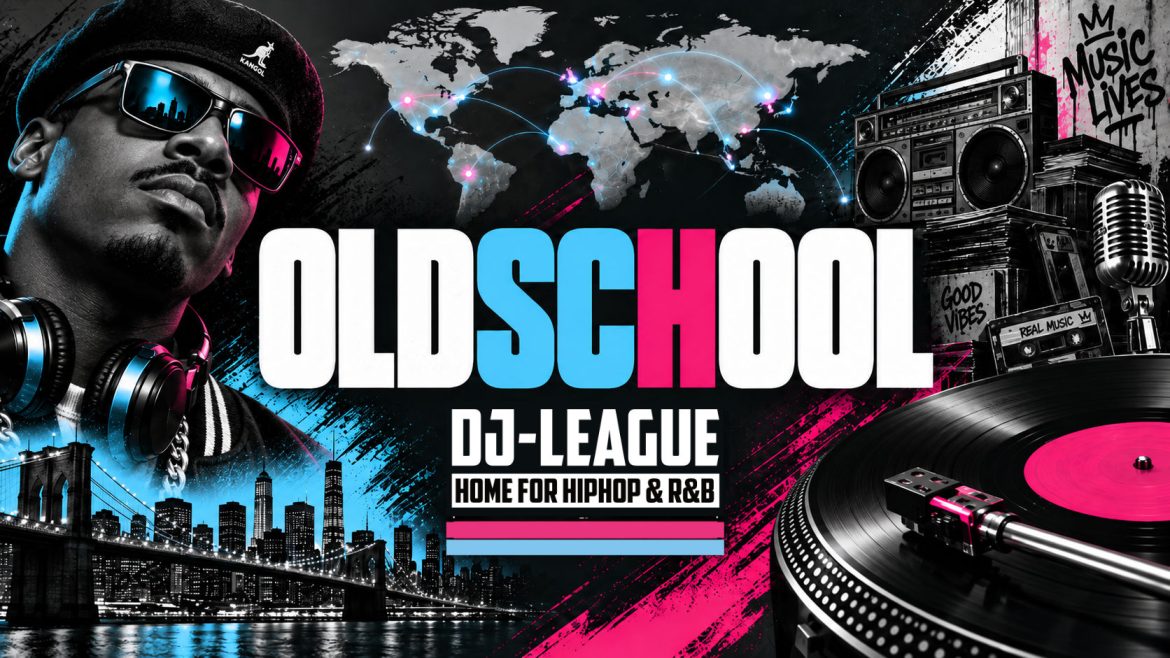
Oldschool connects generations of HipHop and R&B through records that have remained part of DJ culture long after their original release.
The meaning of Oldschool is not defined by one universal year or one fixed musical style. In clubs, radio, mixtapes and DJ culture around the world, the term is commonly used for established music from earlier eras that continues to influence today’s scene.
For the DJ-League, the focus is clear:
Oldschool primarily means Oldschool HipHop and Oldschool R&B.
This includes classic records, defining eras, influential artists and DJ favorites from earlier generations of HipHop and R&B. Depending on the scene and audience, Funk, Soul, New Jack Swing and related sounds may also connect naturally with an Oldschool set, but they do not replace the central HipHop and R&B focus.
The DJ-League connects this music with verified Oldschool DJs, current stories, music discovery and a worldwide network of local scenes.
Latest Oldschool News
Discover current stories connected with classic HipHop, R&B, influential artists, anniversaries, reissues, cultural milestones and music that continues to matter to DJs today.
DJ-League VIP Oldschool DJs Worldwide
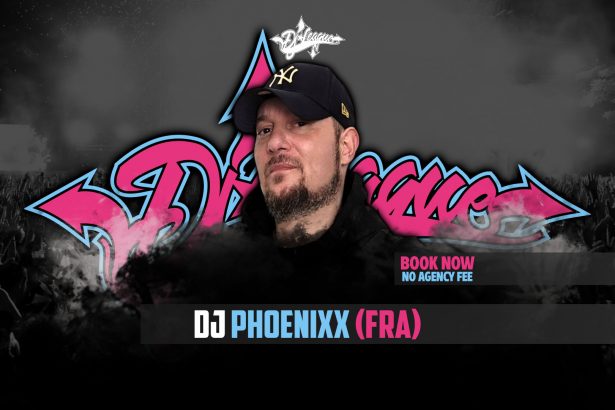
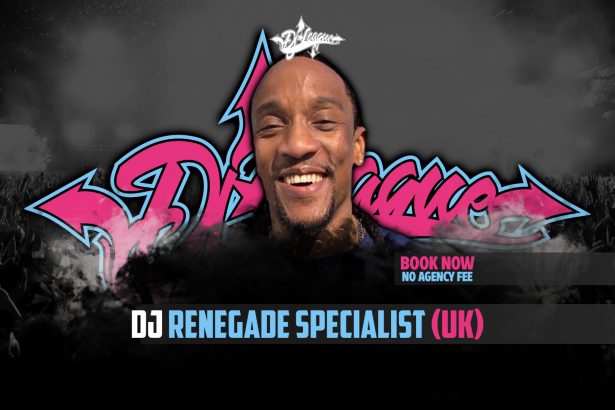
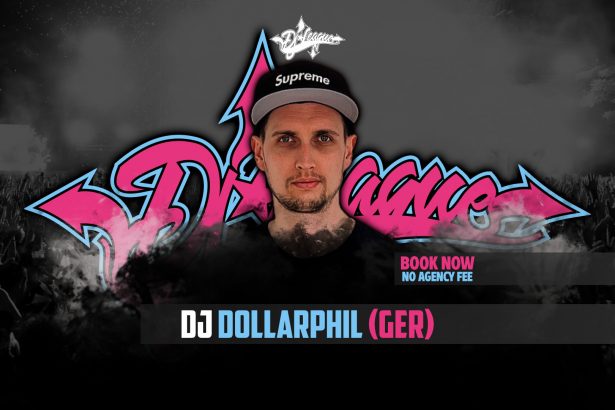
Oldschool DJing requires more than simply playing older records.
It depends on musical knowledge.
A strong Oldschool DJ understands different generations of HipHop and R&B, knows which records still connect with audiences and can move naturally between eras without turning a set into a random collection of nostalgic songs.
└ DISCOVER All VIP Oldschool DJs
What Does Oldschool Mean?
Oldschool does not have one universal definition. The meaning changes depending on musical genre, generation, country, club scene and even the age of the audience. A record that sounded contemporary to one generation may be considered Oldschool by another twenty years later. That is why Oldschool should not be defined by one arbitrary cutoff year.
Within HipHop history, the more specific term Old-School HipHop can refer to the earliest generation of Rap and HipHop that emerged during the late 1970s and early 1980s. Within modern DJ culture, however, Oldschool is often used much more broadly. A DJ advertising an Oldschool HipHop & R&B set may include music from several important eras rather than only the first generation of HipHop.
For the DJ-League, this wider DJ and scene usage is the relevant definition. The core is: Oldschool HipHop + Oldschool R&B.
The exact years can change according to context. The musical identity matters more than forcing every record into one fixed historical period.
Oldschool HipHop
Oldschool HipHop forms one of the two central pillars of the DJ-League Oldschool identity. In the strict historical sense, Old-School HipHop describes the earliest period of recorded Rap and the culture surrounding the first generations of HipHop DJs and MCs. This connects directly with the development of HipHop in New York City during the 1970s and early 1980s. Block parties, breakbeats, MCing and early recorded Rap helped establish the foundations. However, modern DJs frequently use the term Oldschool HipHop more broadly. Depending on the audience, an Oldschool HipHop set may move through several generations of classic Rap.
That can include records from the 1980s and 1990s and, increasingly in contemporary club culture, selected music from the early 2000s. There is no worldwide rule stating that a song suddenly becomes Oldschool after a fixed number of years. Context matters. A classic 1990s HipHop night and a party aimed at an audience raised on early-2000s HipHop may both legitimately use the word Oldschool while representing different periods. What connects them is the idea of returning to established music from earlier generations.
Oldschool R&B
Oldschool R&B forms the second central pillar of this hub. Like Oldschool HipHop, it does not describe one universally fixed historical period. Within DJ culture, Oldschool R&B usually refers to established R&B records from previous generations that continue to hold cultural, musical or dancefloor relevance. For many audiences, the 1990s represent a particularly important Oldschool R&B era. The decade produced vocal groups, solo artists, major producers and records that remain central to R&B-oriented DJ sets.
The late 1980s and the New Jack Swing era are also strongly connected with Oldschool R&B programming. Depending on the audience and event, music from the early 2000s may increasingly be treated as Oldschool as another generation grows older. Again, the definition changes with context. This is why the DJ-League does not define Oldschool R&B through a single mandatory date range. Instead, the focus remains on recognizable earlier generations of R&B that retain a strong place within DJ culture.
Oldschool Is About Eras, Not Just Age
Old does not automatically mean Oldschool. This distinction matters. A forgotten record from decades ago does not become culturally important simply because it is old. Oldschool usually carries another meaning. It suggests music that represents an earlier era, sound, movement or shared musical memory.
Some records remain part of DJ culture for decades because audiences still recognize them. Others influence later artists and producers. Some become defining tracks for particular club eras. Others survive through radio, mixtapes, samples, parties and DJ sets. That continuing relevance separates meaningful Oldschool programming from simply playing old music.
The Sound of Oldschool
There is no single Oldschool sound because the term covers different periods of HipHop and R&B. Oldschool HipHop can include breakbeats, samples, drum machines, turntable culture and different generations of Rap production. Oldschool R&B can move from New Jack Swing and vocal-group records to slower R&B, remixes and club-oriented productions from later periods.
For DJs, this creates enormous musical variety. An Oldschool set can move between harder HipHop drums and smoother R&B records. Tempo can change. Mood can change. Production technology can change. What holds the set together is the DJ’s understanding of the eras and the audience. This is why selection matters more than simply choosing a playlist labelled “Oldschool.”
The Role of DJs in Oldschool Culture
DJs play a particularly important role in keeping earlier generations of music visible. New releases receive automatic attention from streaming services, social media, labels and current promotion. Older records operate differently. They often survive because DJs continue to play them. Radio shows preserve them. Mixtapes reconnect them with listeners.
Club nights create new memories around them. Samples can lead younger audiences back to original recordings. A DJ can place a twenty- or thirty-year-old record next to newer music and immediately create a connection between generations. This gives Oldschool DJs a role that goes beyond nostalgia. They preserve musical context. They show where current sounds came from. They introduce younger audiences to records they may never have experienced when they were originally released. Today, Oldschool DJs remain active across:
- Clubs
- Oldschool parties
- HipHop events
- R&B events
- Radio
- Mixshows
- Mixtapes
- Festivals
- Private events
- Reunions
- Online mixes
- Livestreams
- Vinyl events
Technology may change. Musical knowledge remains essential.
Eras & Movements
Oldschool works best when it is understood through musical eras and movements rather than as one rigid genre.
Early HipHop
The earliest generation of HipHop emerged through New York block parties, DJs, breakbeats and MC culture during the 1970s. Recorded Rap expanded this culture toward the end of the decade and into the early 1980s. In a strict historical context, this period is particularly associated with the term Old-School HipHop.
Golden Era HipHop
The later 1980s and early-to-mid 1990s produced another highly influential period of HipHop. Production, sampling, lyricism, regional identities and DJ culture expanded considerably. Although historians may distinguish this period from the original Old-School Rap era, modern DJs frequently include many Golden Era records within broader Oldschool HipHop sets.
1990s HipHop
The 1990s remain one of the strongest reference points for contemporary Oldschool HipHop programming. East Coast, West Coast and Southern scenes developed distinctive sounds. DJs today continue to use music from the decade because many records remain recognizable across generations.
New Jack Swing
New Jack Swing became an important bridge between HipHop rhythm and R&B vocals during the late 1980s and early 1990s. Its programmed drums, energetic production and club-oriented sound make it especially relevant to an Oldschool HipHop & R&B context.
1990s R&B
For many DJs and audiences, the 1990s represent one of the defining eras of Oldschool R&B. Vocal groups, solo artists, producers, remixes and club records from the period remain central to parties and mixes around the world. The connection between HipHop and R&B also became increasingly important during this era.
Early 2000s
The definition of Oldschool continues to move with generations. Music from the early 2000s is now more than two decades old. For younger audiences and many contemporary events, selected HipHop and R&B from this period is increasingly presented alongside established Oldschool classics. That does not mean every early-2000s record is automatically Oldschool. It demonstrates why the term cannot be permanently tied to one decade.
What About Funk & Soul?
Funk and Soul are important to the history surrounding HipHop and R&B.
They also appear frequently in Oldschool DJ sets. However, the DJ-League does not define Oldschool simply as: HipHop + R&B + Funk + Soul + anything old. That would make the category too broad. Soul and Funk have their own musical histories and identities. They belong in the Oldschool conversation when they provide genuine musical context, influence or natural DJ connections. The main DJ-League focus remains: Oldschool HipHop and Oldschool R&B.
Oldschool Around the World
Oldschool culture is international because HipHop and R&B themselves became international. However, the meaning of Oldschool can vary between scenes.
North America
The United States is central to the history of both HipHop and R&B. Different generations of American music therefore provide much of the foundation for international Oldschool DJ programming. New York City is especially important to HipHop history, while numerous cities and regions shaped later HipHop and R&B eras.
Europe
Across Europe, HipHop and R&B reached audiences through records, radio, clubs, music television, touring and DJ culture. Today, 1980s, 1990s and 2000s-themed events remain an important part of nightlife in many European cities. The exact definition of Oldschool can differ according to generation and local scene.
Africa
Across Africa, HipHop and R&B became influential in many music markets while local scenes developed their own histories. Oldschool programming may therefore combine internationally established classics with records that had particular local importance.
Asia
Japan, South Korea and other Asian markets developed strong communities around HipHop, R&B, DJ culture and record collecting. Classic records continue to circulate through clubs, events, radio and specialist DJs.
South America
HipHop and R&B also established communities across South America. Different cities developed their own relationships with international classics and locally significant generations of HipHop culture.
Oceania
Australia and the wider Oceania region add further scenes in which earlier generations of HipHop and R&B remain part of DJ culture.
Oldschool is therefore a global concept with local interpretations. The records may overlap. The exact definition does not always.
Discover Oldschool Worldwide
The DJ-League connects Oldschool discovery with geography. Instead of presenting DJs as isolated profiles, visitors can discover Oldschool DJs through real locations and communities. The DJ-League structure connects:
World → Continent → World Region → Country → Scene Zone → Region → Local Cluster → City → DJ
This creates a scalable worldwide discovery system. The Oldschool Hub does not need to list every city and cluster individually. As the DJ-League network continues to expand, additional locations can be added through the geographic structure while the central Oldschool Hub remains focused. The complete geographic network can be accessed through the Explore Worldwide section in the right column.
Related DJ-League Topics
Oldschool sits directly between the history of HipHop and R&B. Both therefore have a stronger relationship with this hub than unrelated genres. Visitors who want to explore the music beyond its classic eras can continue directly into the dedicated HipHop and R&B Genre Hubs.
This creates a natural connection:
Oldschool → HipHop
Oldschool → R&B
At the same time, the Oldschool Hub maintains its own identity as the DJ-League destination for earlier generations of HipHop and R&B culture.
Oldschool DJ Culture Today
Oldschool DJ culture is not about pretending music stopped developing decades ago. It is about understanding what earlier generations still contribute today. A strong Oldschool DJ knows the obvious classics. But that is only the beginning. The deeper skill lies in understanding eras, versions, remixes, samples, regional differences and the relationship between HipHop and R&B.
Different audiences also require different definitions of Oldschool. Someone who experienced the 1980s as a teenager may hear the term differently from someone who grew up during the early 2000s. Good DJs understand that difference. They do not build sets according to an arbitrary year. They read the audience and understand the music. That makes Oldschool a living part of DJ culture rather than a museum category. For the DJ-League, this is the central idea:
Oldschool preserves the music that shaped HipHop and R&B while keeping it active for the next generation.
Frequently Asked Questions
Oldschool is a flexible term used for music associated with earlier generations, eras or styles. Its exact meaning depends on the genre, audience, location and generation.
The DJ-League uses Oldschool primarily for Oldschool HipHop and Oldschool R&B. Other related music may appear where culturally and musically relevant, but HipHop and R&B remain the central focus.
Not in the same way as HipHop or R&B. Oldschool is better understood as an era- and context-based description covering earlier generations of music.
In a strict historical sense, Old-School HipHop refers particularly to the earliest generations of HipHop and Rap from the late 1970s and early 1980s.
Not in everyday DJ language. While the historical term Old-School HipHop has a narrower meaning, DJs and audiences frequently use Oldschool more broadly for classic HipHop from several earlier generations.
Oldschool R&B generally describes established R&B music from earlier generations that remains culturally or musically relevant. The exact period varies according to audience and context.
In modern DJ and club culture, 1990s HipHop is commonly included in Oldschool programming, even though music historians may use more specific terms for individual periods within HipHop history.
Increasingly, some audiences and events treat music from the early 2000s as Oldschool. There is no universal cutoff, so context and generation matter.
They can be part of Oldschool DJ sets and have important historical relationships with HipHop and R&B. However, the DJ-League does not treat Funk and Soul as replacements for the primary Oldschool HipHop and Oldschool R&B focus.
DJs keep earlier music active through clubs, radio, mixtapes, mixshows, events and online mixes. They also introduce classic records to audiences who may not have experienced them when they were originally released.
No. Many internationally recognized classics appear across different markets, but the exact meaning of Oldschool can change according to local scene, audience and generation.
The DJ-League connects verified Oldschool DJ profiles with a geographic network of continents, countries, regions, clusters and cities.
Yes. DJs whose public work demonstrates a genuine connection to Oldschool, HipHop, R&B and/or Dancehall can apply for DJ-League membership.
Explore Oldschool
└ Oldschool News
└ DJ-League Oldschool DJs
└ DJ-League Oldschool Artists
└ Oldschool HipHop
└ Oldschool R&B
└ HipHop
└ R&B
└ HipHop & R&B Culture
Explore Worldwide
└ Explore DJ-League worldwide
└ DJ-League North America
└ DJ-League Europe
└ DJ-League Africa
└ DJ-League Asia
└ DJ-League South America
└ DJ-League Oceania
Listen & Discover
└ DJ-League “The Show”
└ DJ-League Radio Stations
└ Urban Nation DJ-MixShow
Join the DJ-League
└ Join The DJ-League As DJ
└ Join the DJ-league As Artist
└ Join The DJ-League As Radio
└ DJ-League Track Promotion