The Caribbean holds a distinctive place in the global story of HipHop. Its strongest documented connection runs through Jamaica, where sound-system culture helped shape ideas that later became central to HipHop DJing in New York.
Long before HipHop emerged in the Bronx, Jamaican sound systems brought communities together around selectors, DJs, powerful speakers and carefully chosen records. These gatherings were built around interaction, identity and the ability of a DJ to control the energy of a crowd. Jamaican-born DJ Kool Herc carried influences from that environment with him to New York, where his approach to DJing became part of HipHop’s formative history.
This connection does not mean that the Caribbean should be treated as one single musical scene. Jamaica, Puerto Rico, Trinidad and Tobago, the Virgin Islands and many other Caribbean countries and territories have their own identities, histories and communities. the DJ-League therefore focuses on verifiable local stories rather than generalizing an entire region.
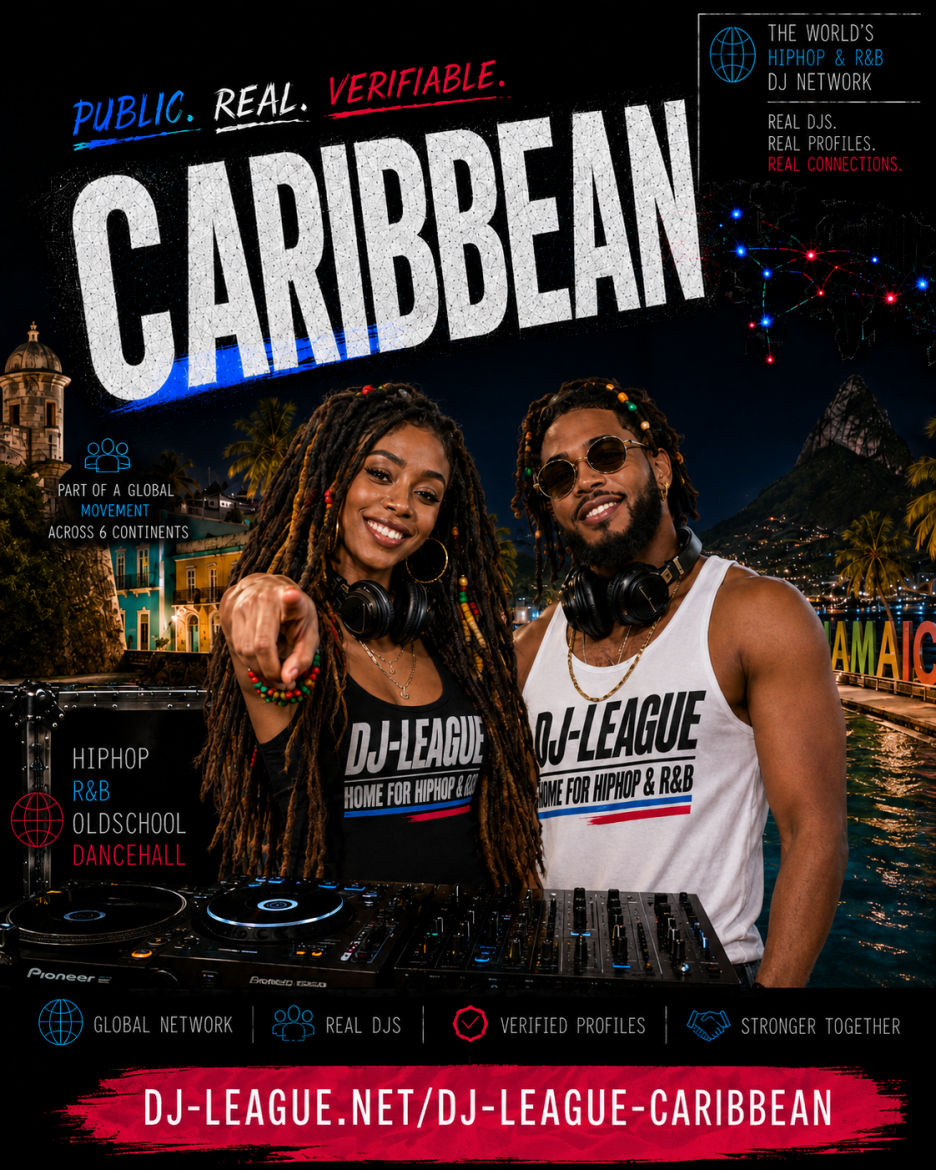
DJ-League Caribbean
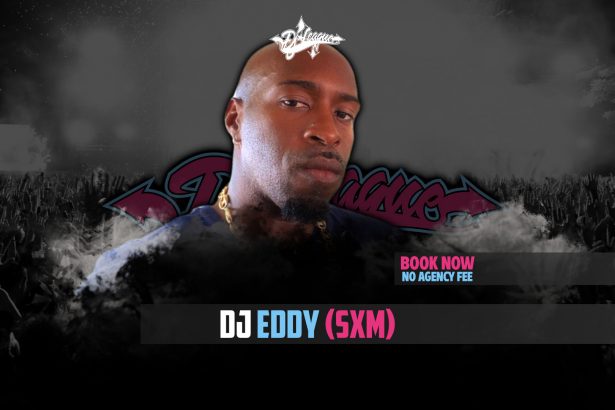
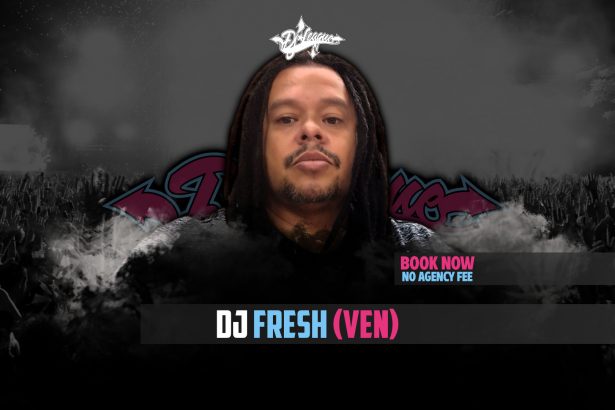

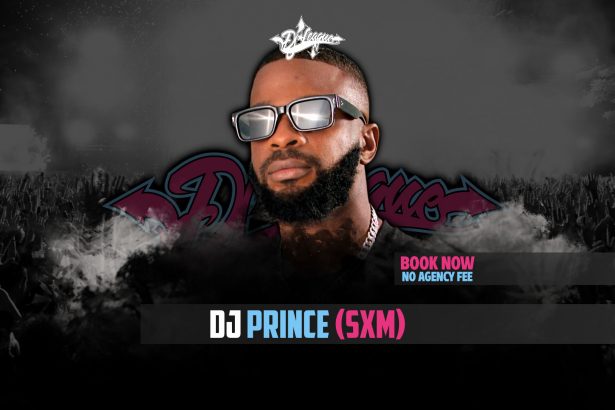
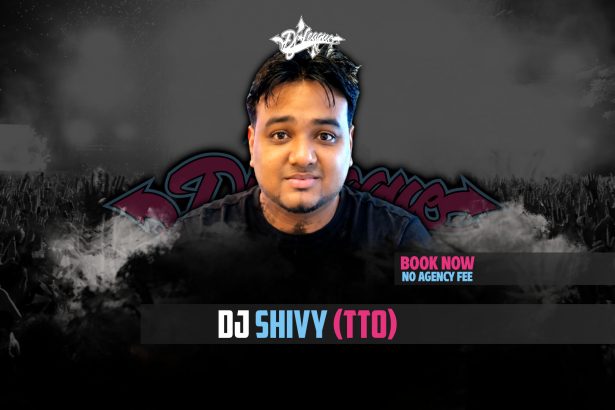
HipHop remains the central perspective of this Caribbean hub. At the same time, R&B also has a documented historical connection to Jamaican sound-system culture, where American R&B records were imported and played at local dances. Dancehall, another official DJ-League genre, later developed in Jamaica and became closely linked with selectors, DJs, performance and audience interaction.
For the DJ-League, the Caribbean is therefore not simply a geographic category. It is a region with an important and documented relationship to global DJ culture.
The DJ-League connects Caribbean HipHop, R&B, Oldschool and Dancehall DJs through public profiles, regional content and international visibility. The goal is to represent real people, real communities and real work while respecting the unique identity of every island, country and territory represented.
Through these public connections, audiences can discover DJs, Artists and radio Stations beyond local borders, follow their individual stories and understand how Caribbean communities continue to participate in a worldwide HipHop culture shaped by exchange, creativity, skill and community.