Scandinavia has a strong place in Europe’s contemporary HipHop landscape, with Denmark, Norway and Sweden each contributing their own artists, DJs, cities and cultural identities. While the region is often associated with a broad range of music, HipHop and R&B have developed visible, documented communities across all three countries.
Stockholm, Copenhagen and Oslo are important urban centres where HipHop culture is reflected through artists, clubs, events, media and DJ activity. Sweden has produced internationally recognised HipHop names, while Norway has built a clearly documented HipHop and R&B industry network. Denmark also supports an active scene through artists, live events and urban culture.
For DJs, Scandinavia offers a diverse environment shaped by local language, international influences and strong city identities. HipHop selectors, R&B DJs and Oldschool specialists can connect audiences through both current releases and the music’s history. Dancehall also has a place within this wider cultural exchange, particularly where Caribbean-influenced club culture intersects with HipHop communities.
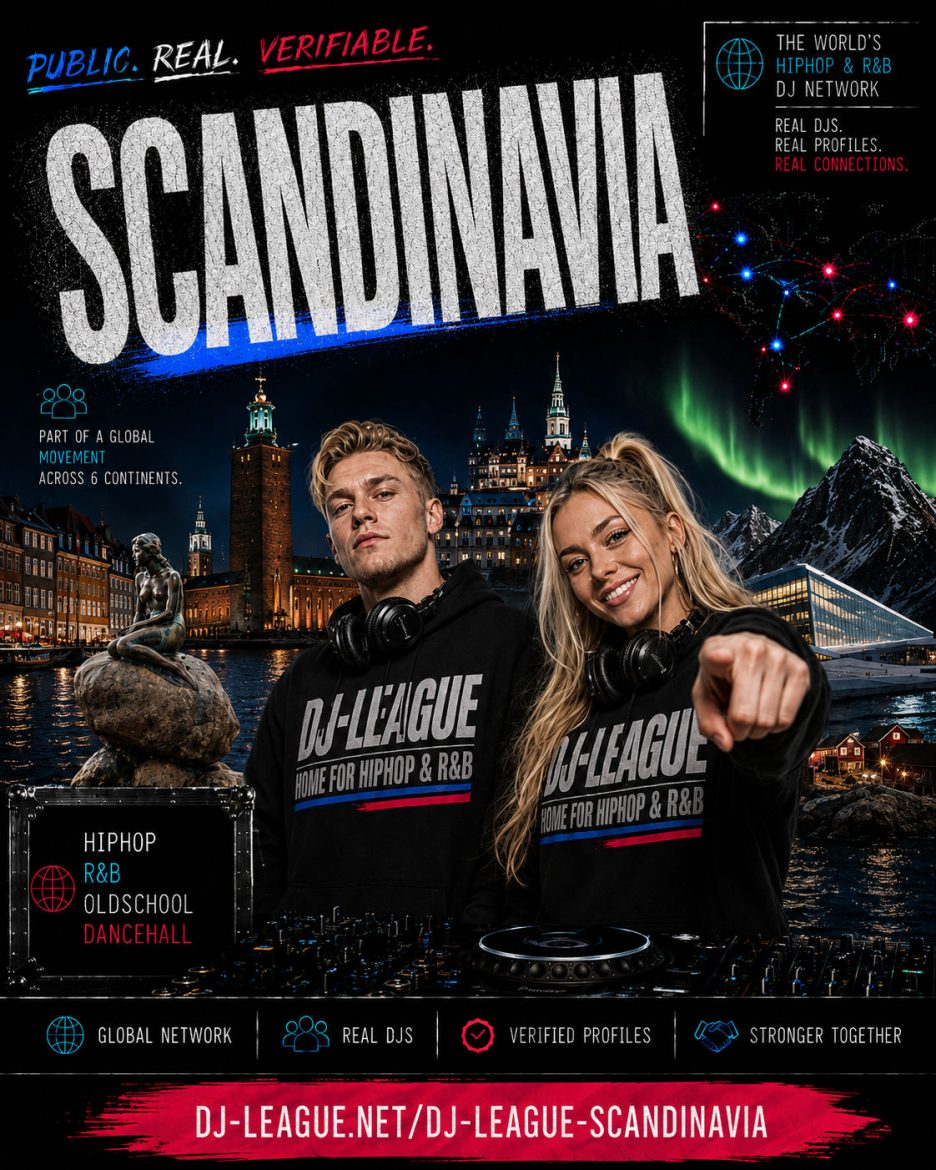
DJ-League Scandinavia


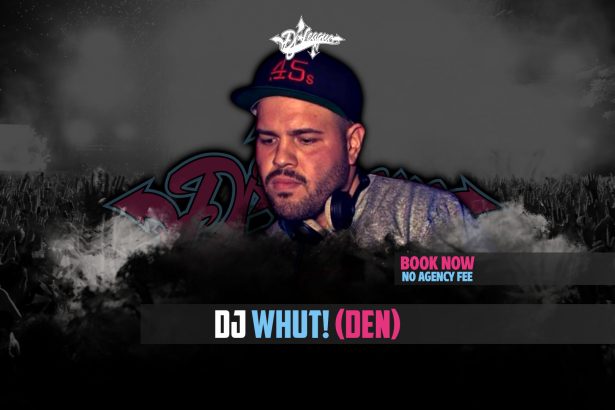
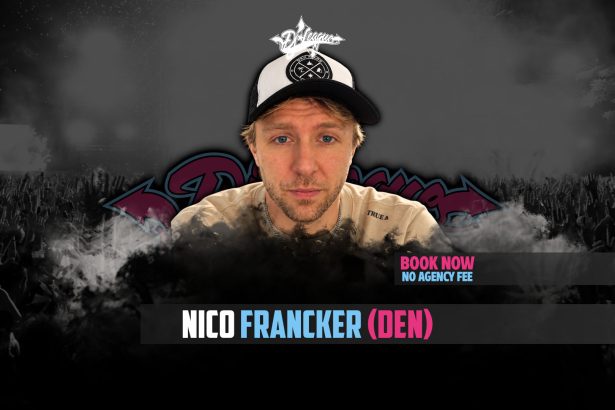
What makes Scandinavia especially interesting is that there is no single Scandinavian HipHop sound. Copenhagen, Oslo, Stockholm, Gothenburg, Malmö and other cities each bring different audiences, artists and local perspectives. That diversity strengthens the region rather than dividing it.
The DJ-League connects these local identities through a global network dedicated exclusively to HipHop, R&B, Oldschool and Dancehall. Public DJ profiles give members visibility while preserving their own city, background and musical focus.
The DJ-League Scandinavia is therefore not simply a regional directory. It is a community hub that connects DJs, artists and listeners across Denmark, Norway and Sweden while keeping the focus on real people, real locations and verifiable cultural relevance.
For anyone exploring Scandinavian HipHop culture, the region offers a strong mix of established artists, active DJs, local scenes and international connections. Together, these communities show how HipHop continues to grow across Northern Europe through creativity, collaboration, local identity and connections between generations and cities.
Discover more from DJ-LEAGUE.NET
Subscribe to get the latest posts sent to your email.