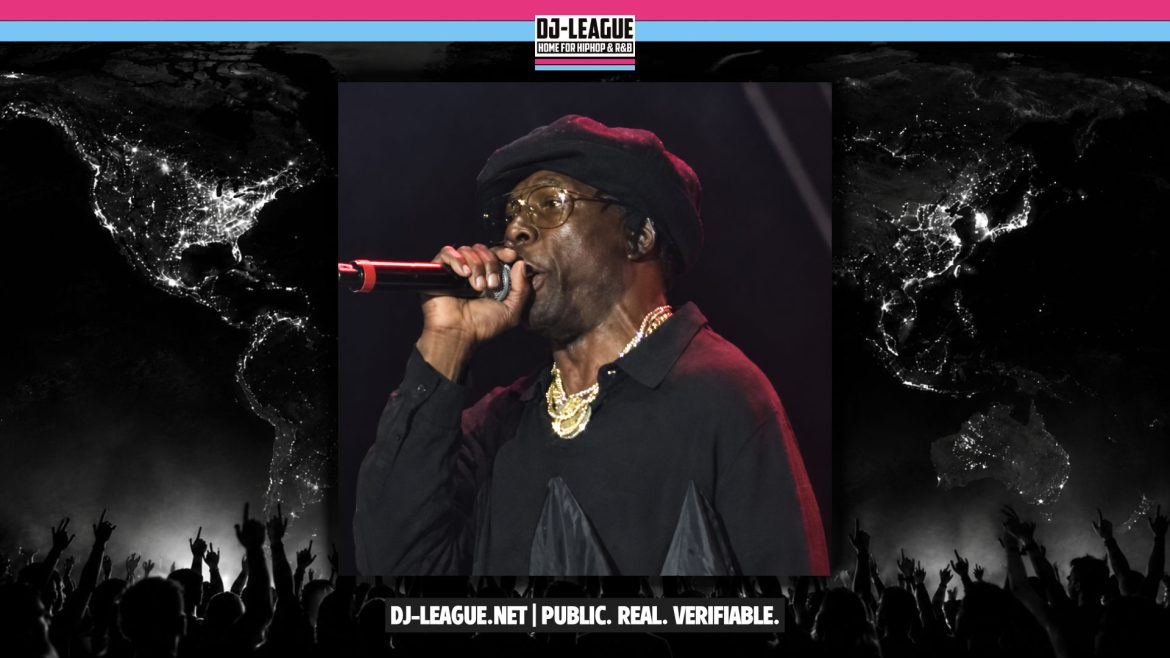
Dancehall pioneer Shabba Ranks is seeking to regain publishing rights connected to some of the most important songs of his career, putting artist ownership and the long-term value of music catalogs back into focus.
The Jamaican artist, born Rexton Gordon, filed a lawsuit against the publishing arm of Greensleeves Records on September 11. The dispute involves compositions including “Mr. Loverman,” “Housecall,” “Slow and Sexy,” “Let’s Get It On” and “Dem Bow.”
At the center of the case is a question that reaches far beyond one artist: Can creators regain control of music they transferred to publishers decades earlier?
The Fight for Long-Term Ownership
Shabba Ranks previously notified Greensleeves that he intended to use U.S. copyright termination provisions to reclaim rights connected to his compositions.
Those provisions can, under specific circumstances, allow creators to terminate earlier transfers of copyright after a defined period.
Greensleeves has challenged that position, arguing that the original publishing agreement treated the compositions as works made for hire. That distinction matters because works legally classified that way generally fall outside the normal copyright-termination process.
Shabba Ranks disputes that interpretation and is asking the court to recognize his attempt to reclaim the rights.
No final decision has been made. The case will determine which interpretation of the original agreement ultimately stands.
Why This Catalog Still Matters
The music involved comes from a defining period in Shabba Ranks’ career, when Dancehall was reaching an increasingly international audience.
Records such as “Mr. Loverman” helped establish him as one of the most recognizable Dancehall artists of his generation.
Decades later, those songs still carry cultural and commercial value through streaming, licensing, radio, reissues and continued discovery by new audiences.
That is why publishing ownership matters.
A successful composition can remain valuable long after its original release. The rights attached to it determine who controls certain uses of the music and who participates financially when that music continues to generate revenue.
“Dem Bow” Connects the Case to a Bigger Music History
One song gives the story particular historical importance: “Dem Bow.”
Released in 1990, the Shabba Ranks recording became closely associated with the musical history behind what later became widely known as the dembow rhythm.
Its influence travelled well beyond Jamaica.
Reggaeton developed its own culture, artists and identity, particularly through developments in Panama and Puerto Rico, but its historical relationship with Jamaican rhythm culture and Dancehall remains an important part of that story.
“Dem Bow” therefore represents more than one entry in an artist’s catalog. It is part of a wider musical connection linking Jamaican Dancehall with sounds that later reached DJs and audiences across the world.
Why This Matters to DJs and Artists
Dancehall itself was built through a culture in which sound systems, selectors, deejays and riddims played fundamental roles.
DJs did not simply play finished records. Sound-system culture helped break music, build artists and move new sounds through communities.
Publishing may seem far removed from the dancefloor, but ownership sits behind the entire professional music ecosystem.
Songs can be streamed, licensed, sampled, synchronized, rediscovered and commercially used for decades.
For today’s artists, producers and songwriters, the Shabba Ranks case is therefore also a reminder to understand what happens to the rights behind the music they create.
Protecting a Musical Legacy
This story should not be reduced to another celebrity lawsuit.
At its core, it is about artist ownership, publishing and cultural legacy.
Shabba Ranks is seeking greater control over compositions that helped define an important chapter of Dancehall history. Greensleeves maintains a different legal position, and the court will ultimately decide the dispute.
What is already beyond dispute is the lasting importance of the music itself.
Dancehall travelled from Jamaican sound systems into clubs, radio stations and DJ communities worldwide — and Shabba Ranks was one of the artists who helped carry that sound internationally.
More than three decades later, the continuing value of his catalog shows why ownership can remain important long after a record first leaves the studio.
Music history continues to create value. The question is who controls it.
Internal Links
└ Dancehall
└ DJ-League Dancehall News
└ DJ-League Dancehall DJs
└ DJ-League Oldschool DJs
└ DJ-League Caribbean
.
Sources
Afrobeats Wire — Shabba Ranks Seeks to Reclaim Publishing Catalog
Afrobeats Wire – Shabba Ranks Publishing Catalog
K-Jewel — Shabba Ranks Publishing Rights Report
K-Jewel – Shabba Ranks Publishing Rights
Featured Image
DON SINCLAIR REGGAE VIBES / Wikimedia Commons — CC BY 3.0, cropped by DJ-League
Image and license information: Wikimedia Commons